
2 upcoming ISA changes you should be aware of
Key changes are being made to ISAs in April 2027, and they could affect how you use the tax-efficient wrapper.
You might have read in the news or heard that the ISA allowance is being cut or that tax will now apply to cash savings. While there is some truth in these statements, without further details they can be misleading. To cut through the sometimes-confusing headlines, we explain the two changes you should be aware of.
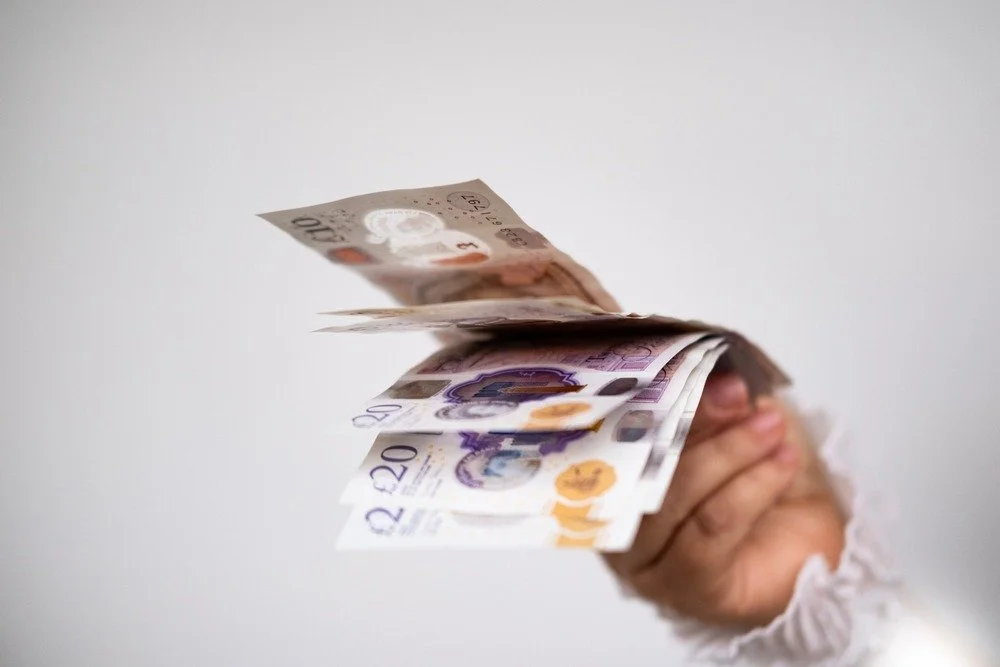
ISAs are a popular and tax-efficient way to save and invest
An ISA provides a tax-efficient way for people in the UK to save and invest. Typically, the interest or investment returns you earn from money held in an ISA won’t be liable for tax.
There were about 15 million adult ISAs subscribed to in 2023/24, according to HMRC (18 September 2025). During the year, approximately £103 billion was added to adult ISAs. They’re likely to form part of your overall financial plan, and it’s important to be aware of the changes coming into effect in April 2027.
1. The Cash ISA limit will reduce to £12,000 for under-65s
In the 2026/27 financial year, you can place up to £20,000 into an adult ISA, and you may spread this across Cash and Stocks and Shares ISAs however you like.
From April 2027, the overall ISA allowance will remain at £20,000. However, the amount you can place in a Cash ISA will be limited to £12,000. You will then be able to place the remaining £8,000 of your allowance into a Stocks and Shares ISA or other non-cash ISAs..
There is no additional cap on the Stocks and Shares ISA, and you may invest the full £20,000 allowance into it if it’s right for you.
This new ISA rule doesn’t apply if you’re over 65. In this case, you may continue to place your entire allowance into a Cash ISA if you choose. The exception allows over-65s to rely on the stability of cash rather than potentially volatile investments, as some people adopt more risk-averse financial strategies later in life.
As a result, if you currently place more than £12,000 into Cash ISAs each tax year, and you are under 65, you will need to adjust your financial plan.
As well as the regulatory change, you might want to consider if investing could be appropriate for you. Cash provides security, but the value of your money would fall in real terms if the interest paid doesn’t keep up with inflation.
In contrast, investing through a Stocks and Shares ISA could offer a way to grow your assets at a quicker pace than inflation. However, investment returns cannot be guaranteed, and you could get back less than you initially invested. Due to market volatility and risk, investing often isn’t appropriate if you’re working towards short-term goals.
2. Interest earned on assets held in non-cash ISAs will be subject to 22% tax
If you hold cash in a non-cash ISA, such as a Stocks and Shares ISA, interest earned on that cash will be taxed at 22% from April 2027 (paid by the ISA manager within the plan rather than a personal tax). Unlike the previous change, this one will apply to over-65s too.
When using this year’s ISA allowance, it is important to consider which types of assets you would be comfortable investing into; do you prefer to keep our money in cash, or would you rather utilise funds to invest into other asset types better suited for your goals. When you’re deciding how to use your ISA allowance, answering these questions could help you decide what type of account might be right for you:
What financial goal are you working towards?
When do you intend to access the money?
What level of risk is appropriate for you?
What other assets do you hold?
If you’re saving for long-term goals (those that are at least five years away), investing may be more appropriate. All investments carry risk, but this varies among different opportunities. If you decide to invest, you should assess what level of risk is appropriate for you, which a financial planner can help you with.
Contact us
If you want to understand how to make the most of your ISA allowance or how to save or invest tax-efficiently once you’ve maxed out your ISA, please get in touch.
Please note: This article is for general information only and does not constitute advice. The information is aimed at individuals only.
All information is correct at the time of writing and is subject to change in the future.
Please do not act based on anything you might read in this article. All contents are based on our understanding of HMRC legislation, which is subject to change.
The value of your investments (and any income from them) can go down as well as up and you may not get back the full amount you invested. Past performance is not a reliable indicator of future performance.
Investments should be considered over the longer term and should fit in with your overall attitude to risk and financial circumstances.
The Financial Conduct Authority does not regulate tax planning.