
4 destinations that are perfect for exploring this autumn
As the main summer holiday season usually ends in early September, this can be a great time to make your own travel plans.
The “shoulder season” in September and October sits between the peak holiday time of summer and the off-peak time of winter in the northern hemisphere.
Choosing this autumn window for your holiday means you can often avoid the crowds and usually enjoy a more ambient temperature rather than the full-on heat often experienced during the summer. Plus, it can mean it’s easier to visit major attractions without endless queueing.
Read on to discover four destinations that you might like to consider exploring in the coming months.
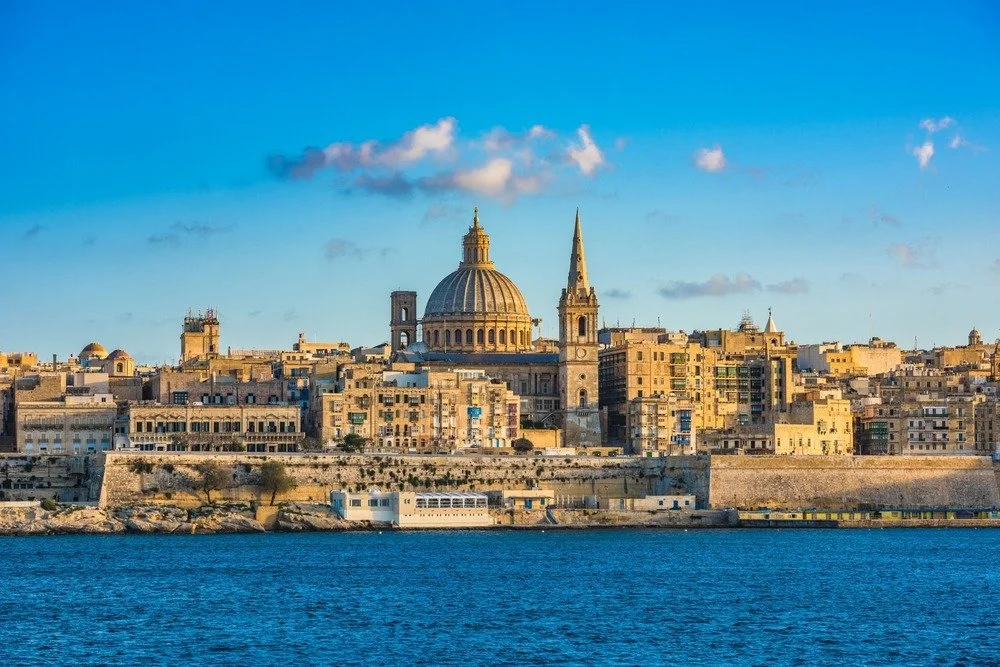
1. Malta
For being such a small island, Malta has plenty for you to do no matter what your style, from golden beaches to historic cities and far more, there is loads for you to explore.
If swimming in the sea or relaxing on the beach is something you like to do, then consider heading down to places like The Blue Lagoon, Golden Bay, Mellieħa Bay, and Għajn Tuffieħa (also called Riviera Bay). Visiting in the shoulder season means the beaches should be less crowded than during the peak months.
Meanwhile the capital, Valletta, is a UNESCO world heritage site. Tiny and compact, it’s easy to navigate and explore on foot. Here, you’ll find history on every corner, with beautiful Baroque buildings lining its streets. For example, St John’s Co-Cathedral, beyond having a beautiful and extremely ornate interior, is also the home to Caravaggio’s masterpiece ‘The Beheading of Saint John the Baptist’. You can also enjoy spectacular panoramic views from the Upper Barrakka Gardens.
Another place of interest is the ancient city of Mdina, which has the nickname of the “Silent City”, partly due the ban on cars within its walls. This tiny medieval walled city, home to about 240 residents, has narrow streets that run between an impressive mix of buildings mostly in the Norman and Baroque architecture as well as impressive views from atop the city walls.
2. Rajasthan
Rajasthan’s Hindi name literally translates to “Land of Kings” and is India’s largest state by area. As the monsoon rains abate during the latter part of September and October, temperatures become more comfortable, and in the south east of the region you’ll find the landscape to be green and lush.
Visit Jaipur, the capital of the region and well known as “ The Pink City”, so named due to the colour of most of the buildings in the old city, which were originally painted pink to welcome Edward VII when he was Prince of Wales in 1876. Jaipur is well known for its many palaces and museums as well as its tradition shops selling antiques and intricately handcrafted products.
For a more tranquil experience, take a trip to Udaipur, which is surrounded by five major artificial lakes, and contains the elegant City Palace, amongst other wonderful sights.
Alternatively, you can visit Jodhpur, home to the imposing Mehrangarh Fort which dominates the skyline above the maze-like Blue City. The city is also known for its markets with stalls selling food and traditional clothes and shoes.
Rajasthan also has a deliciously distinctive cuisine, with local delicacies including laal maas (a hot and spicy curry traditionally made with game meat, although mutton is more popular now) and ghewar (or ghevar) a disc-shaped sweet, made from maida (wheat flour), ghee (clarified butter), and sugar syrup. Many of the cities in the region also have their own unique culinary delights, so venture out to one of the region’s rooftop restaurants to sample the food while enjoying spectacular views.
3. Portugal
If you’re looking for a destination a bit closer to home, Portugal is a great choice for the autumn months.
The Algarve enjoys pleasant temperatures at this time of year, with the Atlantic Ocean still warm from the summer sun. Once the school holidays end, the region tends to quieten, and you can enjoy leisurely coastal walks, long, lazy lunches overlooking the sea, or an organised boat trip to the famous Benagil Cave.
If you’re looking for culture, then the capital Lisbon may be more your style. The Alfama district is also steeped in history, with Lisbon Cathedral and São Jorge Castle both offering glimpses into the country’s past.
Meanwhile, Porto in the north is home to the Douro Valley, one of the world’s oldest wine regions. Here, you can take a vineyard tour, enjoy a wine tasting, or try one of the area’s sightseeing river cruises.
4. Tirana County, Albania
A somewhat hidden gem, Albania is emerging as one of Europe’s most engaging destinations and is great if you’re looking for something a little different.
The capital, also called Tirana, is fast becoming a vibrant city filled with café culture and a fascinating history from the country’s relatively recent communist past.
It’s easy to walk around on foot, especially in the cooler, more temperate weather found in the autumn months.
Skanderbeg Square stands at the heart of the city and is bustling with vibrancy and life. The National History Museum and the Bunk’Art museum tell the story of Albania’s past from Antiquity all the way through to the Cold War and Communism.
If you’d prefer to be outdoors, take the Dajti Ekspres cable car up Mount Dajti for beautiful views across the city and surrounding countryside, or stroll around the peaceful Grand Park of Tirana and its picturesque lake.
The region’s food scene is also flourishing, and you’ll find more coffee houses per capita in Albania than any other country in the world. Enjoy the national dish of Albania, tavë kosi (consisting of lamb and rice baked under a thick, tart veil of yoghurt) or freshly grilled seafood and modern Mediterranean cuisine.