
4 reasons to focus on mobility in retirement
According to Age UK (11 August 2026), one in six deaths in the UK are linked to physical inactivity. So, staying active and maintaining strong, mobile joints is one of the most effective ways to support your physical health and longevity.
In mainstream fitness, the spotlight often falls on weight, endurance, and muscle mass, but these standard measures mean little if joint stiffness prevents you from reaching a high kitchen shelf or tying your shoes without discomfort.
It’s all too easy to ignore mobility until everyday movements begin to feel stiff or awkward. Shifting your focus towards how well your body moves, rather than how hard it works, could transform the way you live in your golden years.
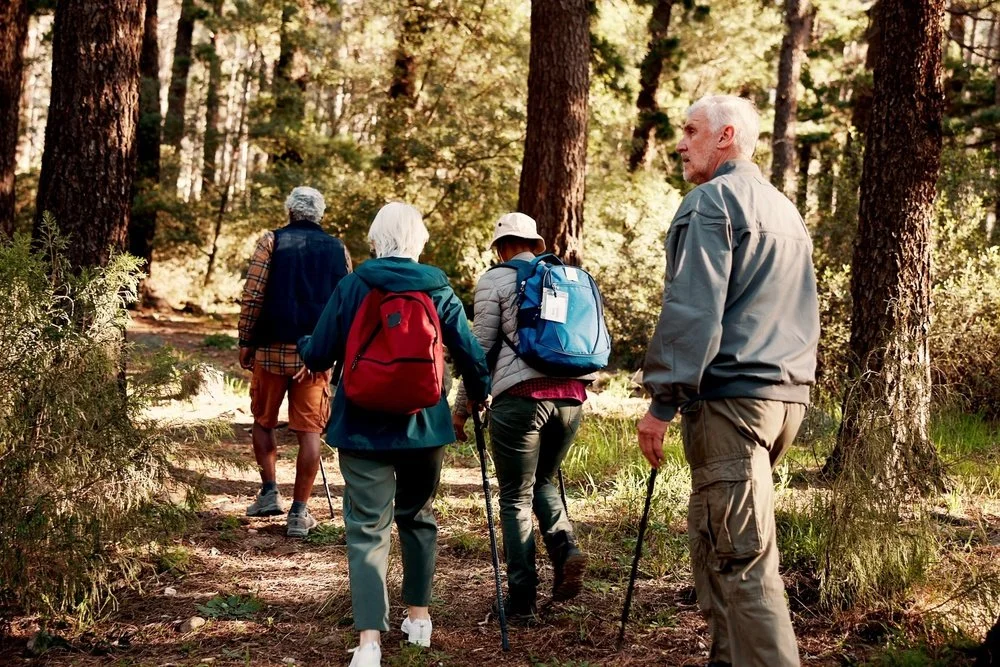
Prioritising mobility could help you stay active as you age
While flexibility refers to how far a muscle can passively stretch, mobility is active. It incorporates strength, coordination, and control, and it is what allows us to move smoothly through a joint’s full range of motion.
Here are four reasons why making mobility a priority during retirement could bring significant long-term benefits.
1. Protect your independence
Staying independent is a priority for many as they age. Being able to get up from a low seat or carry grocery bags in from the shop may seem like small tasks, but they amount to a greater sense of independence.
By keeping your joints and supporting muscles active, you can help ensure that these basic tasks remain manageable.
2. Reduce daily niggles and joint discomfort
Stiffness can creep in quietly from years of repetitive habits or prolonged neglect. When one joint loses its mobility, such as tight hips from sitting for too long, the body often compensates by “borrowing” movement from elsewhere. For example, your body could compensate for tight hips by placing more pressure on the lower back, which could result in strains.
Regular mobility exercises can help distribute this movement across your body, helping to take pressure off overworked joints. Although be sure to check that the exercises help the area that experiences discomfort, rather than putting additional pressure through it.
3. Improve balance and prevent falls
Research from 1981 reported by the Guardian (22 June 2026) suggests that elderly adults who fall and remain on the floor for more than an hour, even without injury, are more likely to die within six months.
Good ankle and hip mobility allows your body to react quickly if you trip, which can help prevent falls before they happen. And if you do fall, having strength and mobility in your hips, knees, and back can help ensure you’re able to get up again and keep moving.
4. Keep up with the activities you enjoy
Mobility is important for more than just physical reasons, with a lot of social activities requiring a level of mobility too. Whether your goal is to be able to play a regular round of golf, care for an allotment, or travel around the world, mobility is the key to being able to enjoy this well into your retirement.
Dependent on the type of activity that you wish to do, you might choose to prioritise different mobility exercises, but it’s important to remember that doing a wide range of mobility exercises is important.
Simple daily habits could dramatically improve your movement
Improving your mobility doesn’t require an expensive gym membership or hours of exercise. The key is consistency over intensity, with light movements throughout the day rather than intense, sporadic workouts.
The NHS physical activity guidelines for older adults recommend building activities that improve balance and flexibility into your routine at least twice a week, alongside regular light movements.
Here are several ways you can start to do this.
TV stretching or floor sitting: Instead of sitting on the sofa while you catch up with what’s on TV, try changing your position. You could sit cross-legged on a comfortable rug or practise gentle ankle rolls and calf stretches while you watch.
Going for a mindful daily walk: Walking is a great form of low-impact exercise, and a daily brisk walk can help keep your hips moving, strengthen your leg muscles, and loosen your knee joints.
Incorporating gentle household movements: Everyday tasks can double as mobility practice, making it easy to slip them into your routine. For example, while waiting for the kettle to boil, you could hold on to the kitchen counter and do gentle standing side stretches to relieve tension in your back.
Exploring gentle community classes such as yoga or water aerobics: Low-intensity classes such as yoga combine balance, light strength training, and joint range of motion in a safe, social setting.
Focusing on mobility in retirement is about giving yourself the freedom to live life fully, not working up an intense sweat. By spending just 10 to 15 minutes throughout the day doing simple movement exercises, you’re investing in your long-term health and independence.
Try incorporating these routines into your daily life and see where this extra mobility takes you.