
On 20 July 2026, Andy Burnham became prime minister after succeeding Keir Starmer as the Labour Party leader.
While Burnham’s appointment has been long anticipated by the media, the change in leadership could still result in some uncertainty over the next few weeks.
Although a change in political leadership can seem worrisome when you consider your finances, taking a long-term view is important. Read on to find out what it could mean for your wealth.
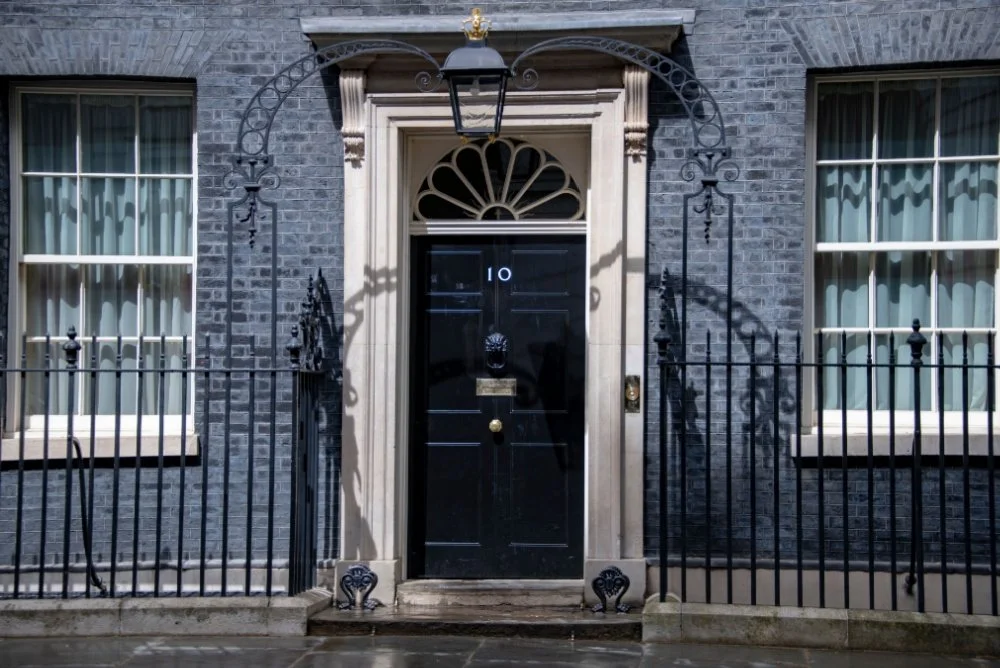
Uncertainty may cause market volatility in the coming weeks
Investment markets may experience volatility in response to uncertainty, which could affect the value of your investments.
Following Starmer’s announcement of his resignation, markets were relatively stable. According to the Guardian (22 June 2026), markets largely “shrugged off the news” as the resignation was expected. Indeed, a domestically focused index, the FTSE 250, was down just 0.01%.
Markets remained relatively calm following Burnham’s ascension. Reuters reported that, on 20 July 2026, the FTSE 100 fell by 0.5%, while the FTSE 250 declined by just 0.1%.
However, the falls were also a result of continued tensions in the Middle East rather than solely the political transition.
As Burnham starts to announce and implement his plans for the country, markets could experience greater volatility.
While this might feel disconcerting, keep in mind that short-term volatility is a part of investing, and markets have historically recovered.
In the last decade, the UK has had seven prime ministers, and while periods of volatility followed some of these leadership changes, the overall market trend has been upwards.
So, rather than reviewing your portfolio’s performance each day, take a look at the bigger picture. Assessing performance over several years could highlight an overall trend rather than short-term responses to periods of change.
While you might be tempted to make changes in response to volatility, sticking to your long-term investment strategy instead of making knee-jerk decisions could be beneficial.
It’s also important to note that investment returns cannot be guaranteed, and past performance is not a reliable indicator of future performance.
The prime minister may change policies that affect personal finances
Burnham might also choose to go in a different direction from Keir Starmer.
For instance, in his first speech as prime minister, he has said his government would announce measures aimed at easing the cost of living and publish a 10-year plan for the country later in 2026.
While these potential changes could prompt some people to alter their financial plans, this often isn’t the best course of action.
First, with so much speculation, it can be difficult to know what information is accurate before it’s officially announced. Reacting to a news headline that isn’t confirmed could mean making unnecessary changes to your financial plan, which has the potential to harm your ability to reach your goals.
Second, when changes are unveiled, they often aren’t implemented immediately. So, you will typically have an opportunity to fully assess your options rather than needing to make a snap decision.
As your financial advisers, we will alert you to anything that might affect your long-term financial plan. We will also help you assess how changes might affect you and offer guidance on how to mitigate the potential effects if appropriate.
Contact us
Over the coming weeks, there’s likely to be a lot of speculation about what will happen. Remember, reacting to rumours could lead you to make decisions based on scenarios that don’t materialise or ones that don’t align with your objectives.
If you have any questions about what Barnham becoming prime minister means for your finances, please get in touch.
Please note: This article is for general information only and does not constitute advice. The information is aimed at individuals only.
All information is correct at the time of writing and is subject to change in the future.
Please do not act based on anything you might read in this article. All contents are based on our understanding of HMRC legislation, which is subject to change.
The value of your investments (and any income from them) can go down as well as up and you may not get back the full amount you invested. Past performance is not a reliable indicator of future performance.
Investments should be considered over the longer term and should fit in with your overall attitude to risk and financial circumstances.
